Custom LED displays shaped around passenger movement, architectural space and daily operation.
Transport environments bring people, information and architecture together at scale. A display may be seen across a concourse, approached along a walkway or encountered beside a change in level. Its form and content need to respond to that journey.
ZORQ develops transportation hub LED display solutions for terminals, concourses and travel service areas, connecting distinctive geometry with viewing requirements, installation planning and maintenance access.
Follow the Passenger Journey
The right display location begins with how people move through the venue.
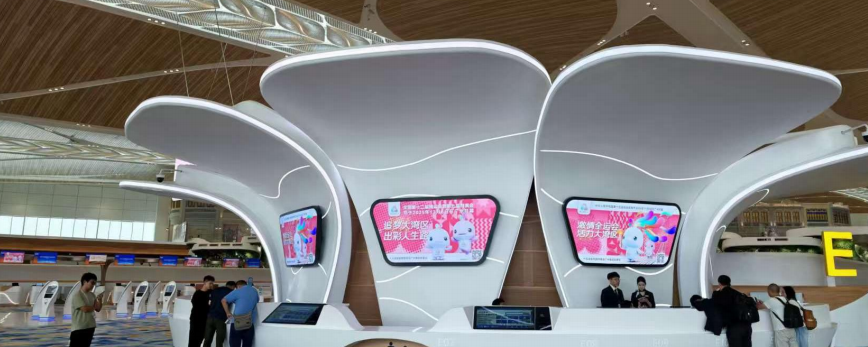
Arrival routes, circulation paths and gathering points create different opportunities for communication. A screen near a service area may need to address people approaching from several directions. A display beside a staircase has a different relationship with the viewer, shaped by the incline and the changing viewing position.
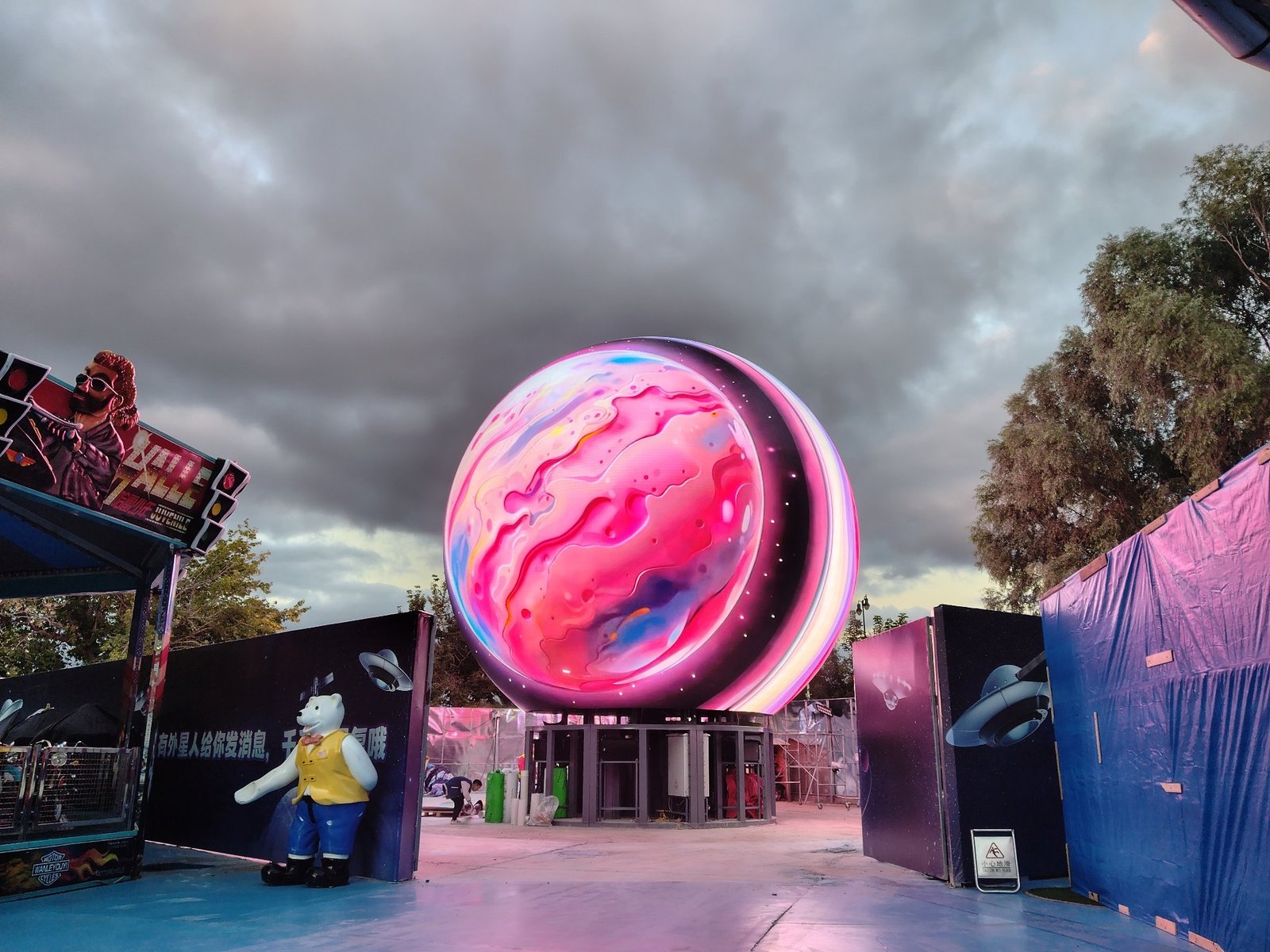
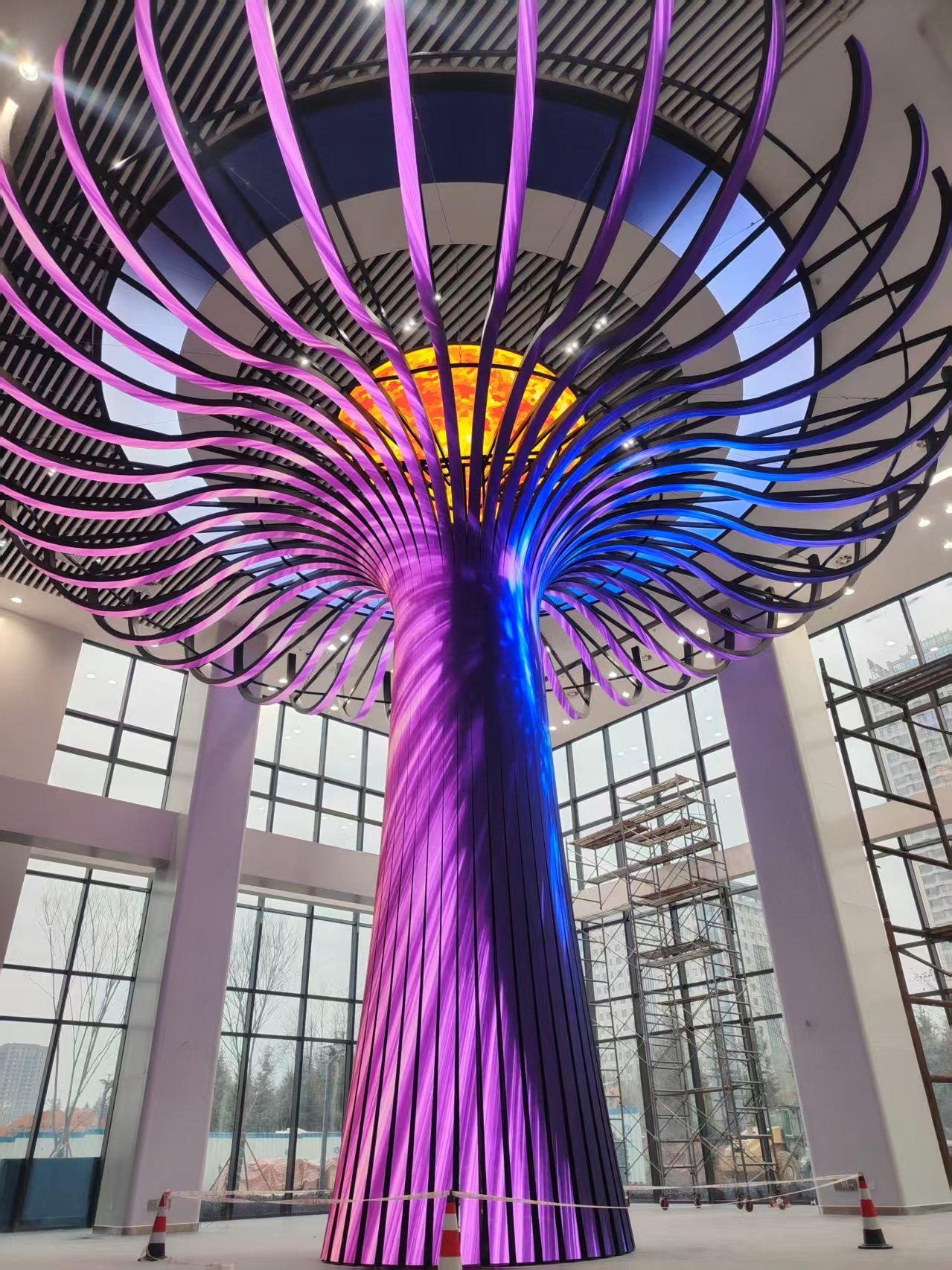
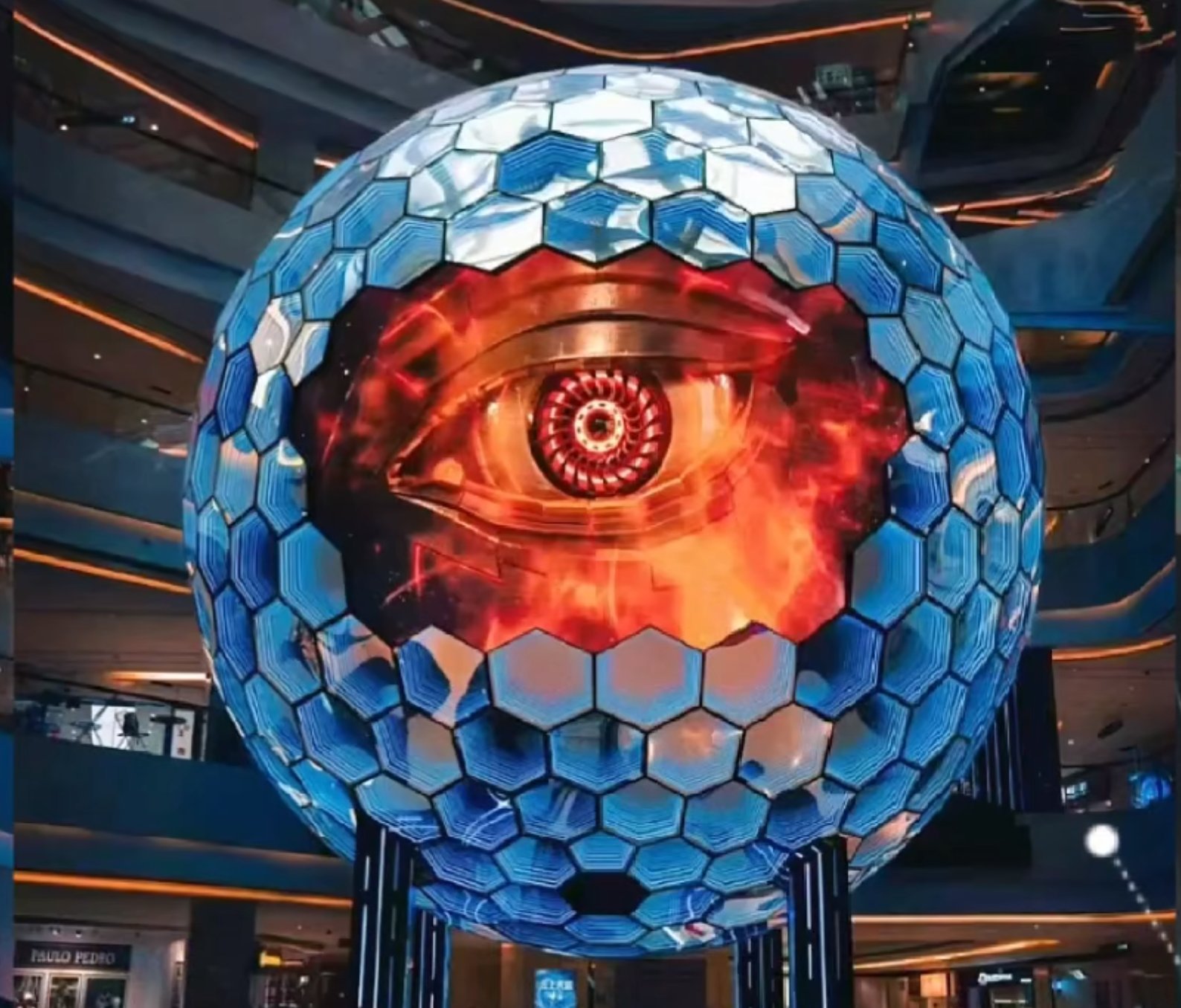
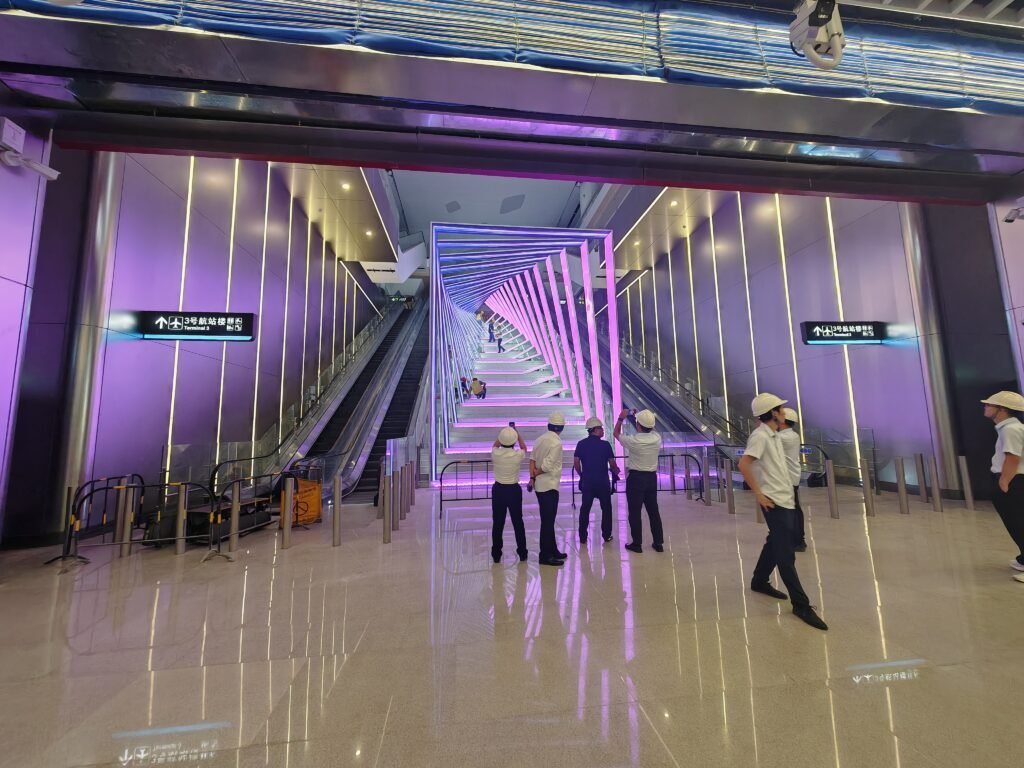
Custom geometry allows these conditions to inform the design. Petal-like arrangements can orient display faces toward separate approaches. Stair-integrated displays can follow the dimensions of the flight. Sculptural screens can create recognizable reference points within larger public spaces.
ZORQ’s custom-shaped LED displays are developed around these spatial requirements. Dimensions, supporting structures and service access are considered alongside the visual concept, helping the installation fit the way the venue operates.
The display’s role is defined early: passenger communication, destination branding, advertising or a combination of uses. That role guides both its position and its content.
The staircase geometry establishes a clear direction through the space.
Make Each Viewing Direction Count
In a busy concourse, viewers rarely stand in one ideal position.
Some people read while approaching from a distance. Others glance at the display as they pass. Screen orientation, text size and content hierarchy need to account for these different encounters.
For displays with multiple faces or curved surfaces, content can be organized by the principal viewing directions. Key messages belong where they can be recognized quickly, while supporting information can be reserved for closer viewing.
Pixel pitch is selected around the intended viewing distance. Brightness is considered alongside daylight, interior lighting and nearby surfaces. Contrast, type size and the amount of information on screen then help determine how easily a message can be understood.
Architectural displays also need content prepared for their geometry. Graphics that work on a flat rectangle may require a different composition across petals, curves or a branching form. Planning the content layout alongside the screen helps preserve its meaning from the intended approaches.
Plan for Continuous Operation
Long operating hours make maintenance planning part of the initial design brief.
Where suitable, front-service construction allows technicians to reach individual modules from the display face. Module-level replacement can reduce the extent of dismantling required, provided that safe access has been planned around the installation.
Power redundancy and remote monitoring can be specified according to the project’s operating requirements. Their configuration needs to be coordinated with the venue’s electrical infrastructure and maintenance procedures.
The aim is to make faults easier to identify and service work easier to organize. Replacement access, spare-module provision and working clearances should be established before the surrounding finishes are completed.
ZORQ’s custom LED display manufacturing capabilities connect these requirements with cabinet design, factory assembly and testing. On-site commissioning then checks the completed display within its actual environment.
Give Travel Spaces a Recognizable Identity
Not every display in a transport environment needs to carry directional information.
In waiting areas and highway service facilities, a bespoke screen can express regional identity, introduce destination imagery or create a memorable feature within the interior. A lotus-shaped display, for example, can combine a sculptural silhouette with moving content tailored to its surfaces.
The design still begins with practical questions: where people approach, how long they remain, what they need to see and how technicians will reach the equipment.
This balance gives the installation a defined purpose within the wider space.
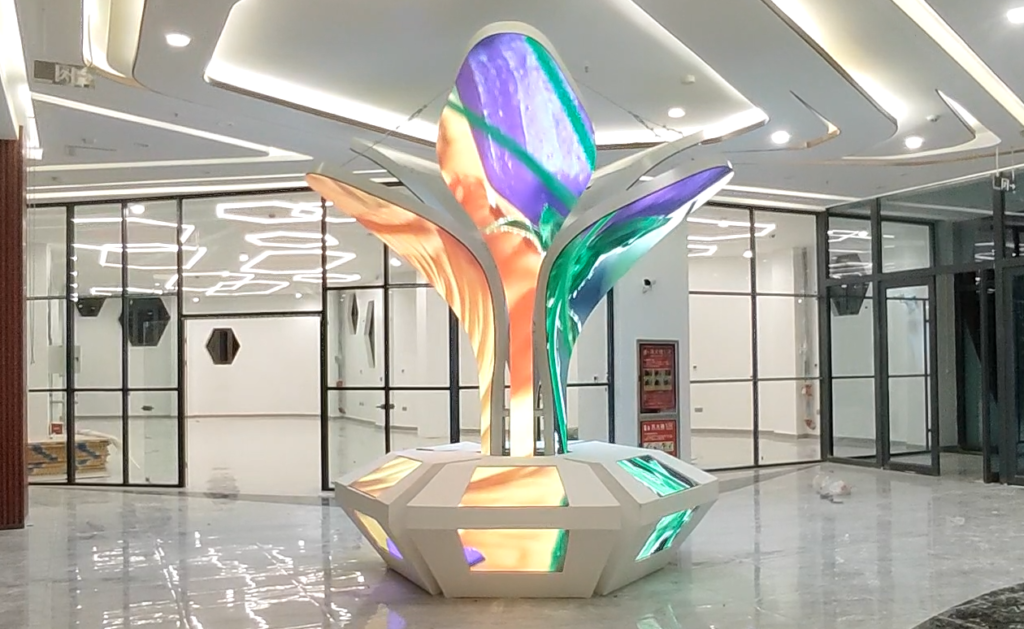
Display Forms for Transport Environments
Petal & Multi-Face Display Arrangements
Orient visual content toward different approaches within concourses, service areas and public halls.
Stair-Integrated Displays
Develop a display layout around the dimensions and viewing conditions of a staircase, with content composed for the intended approach.
Column & Sculptural LED Displays
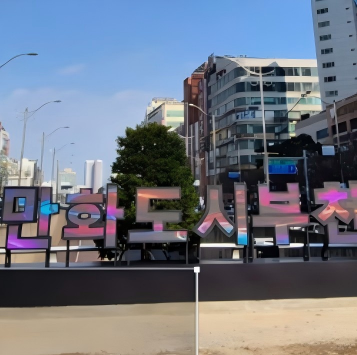
Create a recognizable feature within waiting areas or large interiors, with geometry coordinated around circulation and sightlines.
Bespoke Architectural Displays
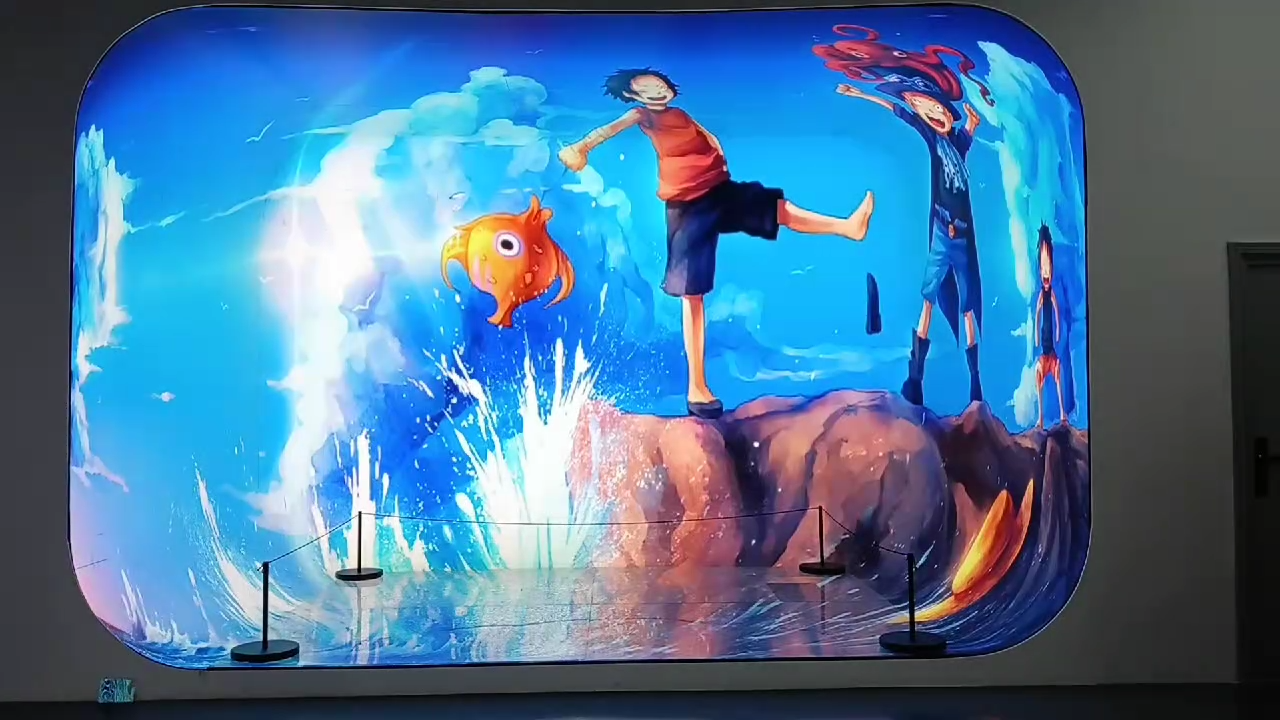
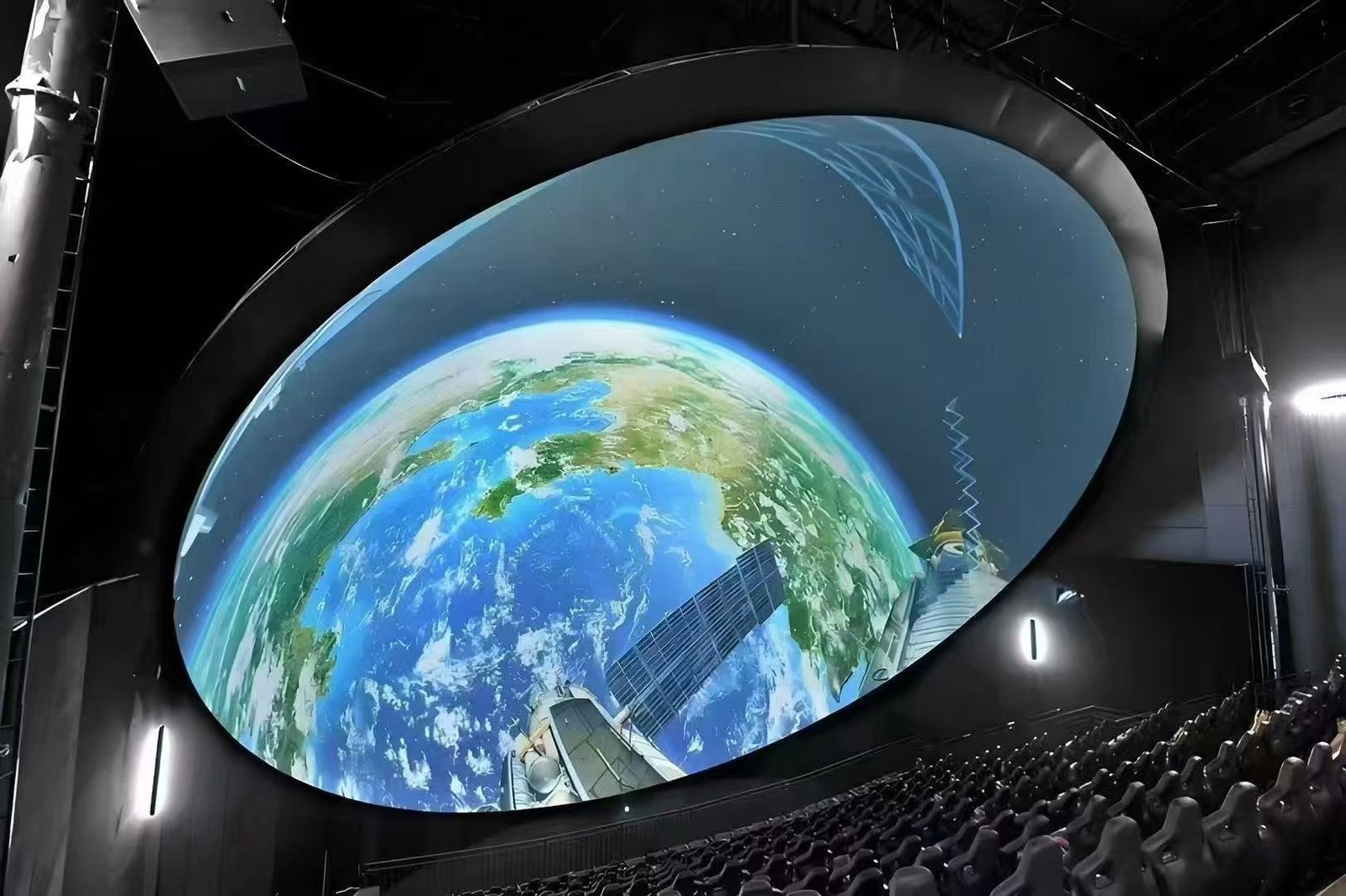
Integrate a custom screen into the surrounding design, with structural interfaces and maintenance access established during development.
From Spatial Brief to Daily Use
A coordinated delivery process connects the display concept with the operating needs of the venue:
Preliminary Scheme Review → Structural Design Proposal → Sample Section Approval → Production → Installation & Commissioning → Operation & Maintenance Support
The process starts with venue drawings, passenger routes, proposed content and operating requirements. These inputs help establish the display geometry, viewing specification and service approach.
Factory checks provide opportunities to review assembly and image consistency before dispatch. Installation and commissioning bring those preparations into the completed space.
Shape the Next Passenger Experience
Share your terminal plans, circulation layout or service-area concept. ZORQ can help assess the display form, viewing conditions and maintenance requirements for your project.