Custom LED displays that give stories a spatial dimension.
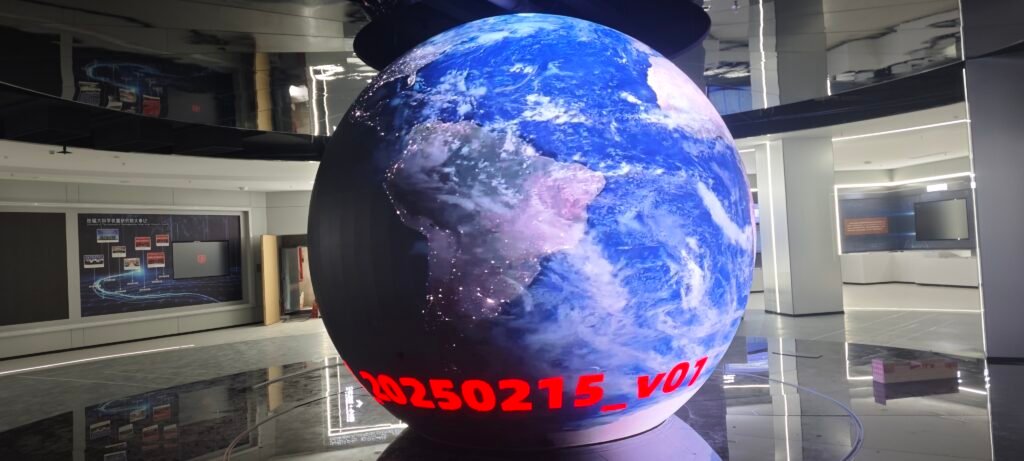
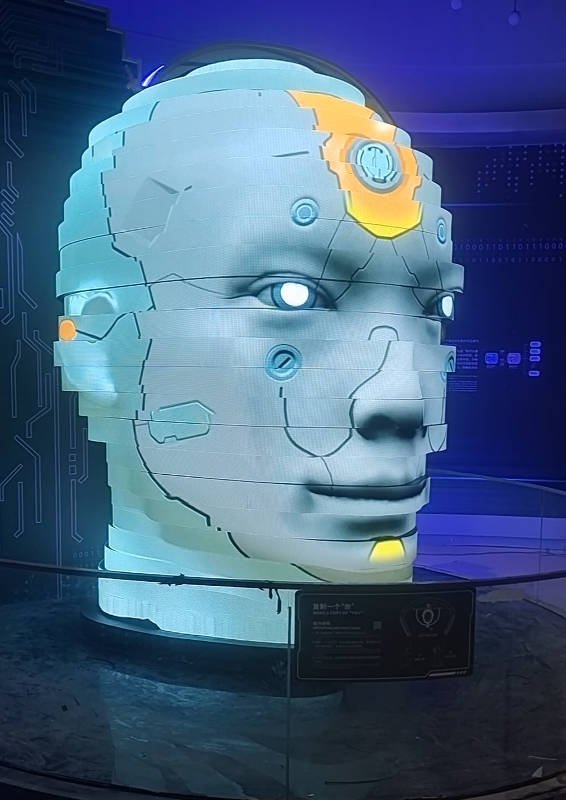
A globe that reveals the Earth’s changing surface. A dome that places visitors inside a moving scene. A sculptural display that gives a character a physical presence. ZORQ develops museum LED display solutions that connect exhibition narratives with bespoke geometry, reliable engineering and practical maintenance.
From science museums to themed exhibition halls, the display becomes part of how visitors encounter the story.
Let the Venue Tell Its Own Story
The right display form begins with the subject of the exhibition and the experience it is intended to create.
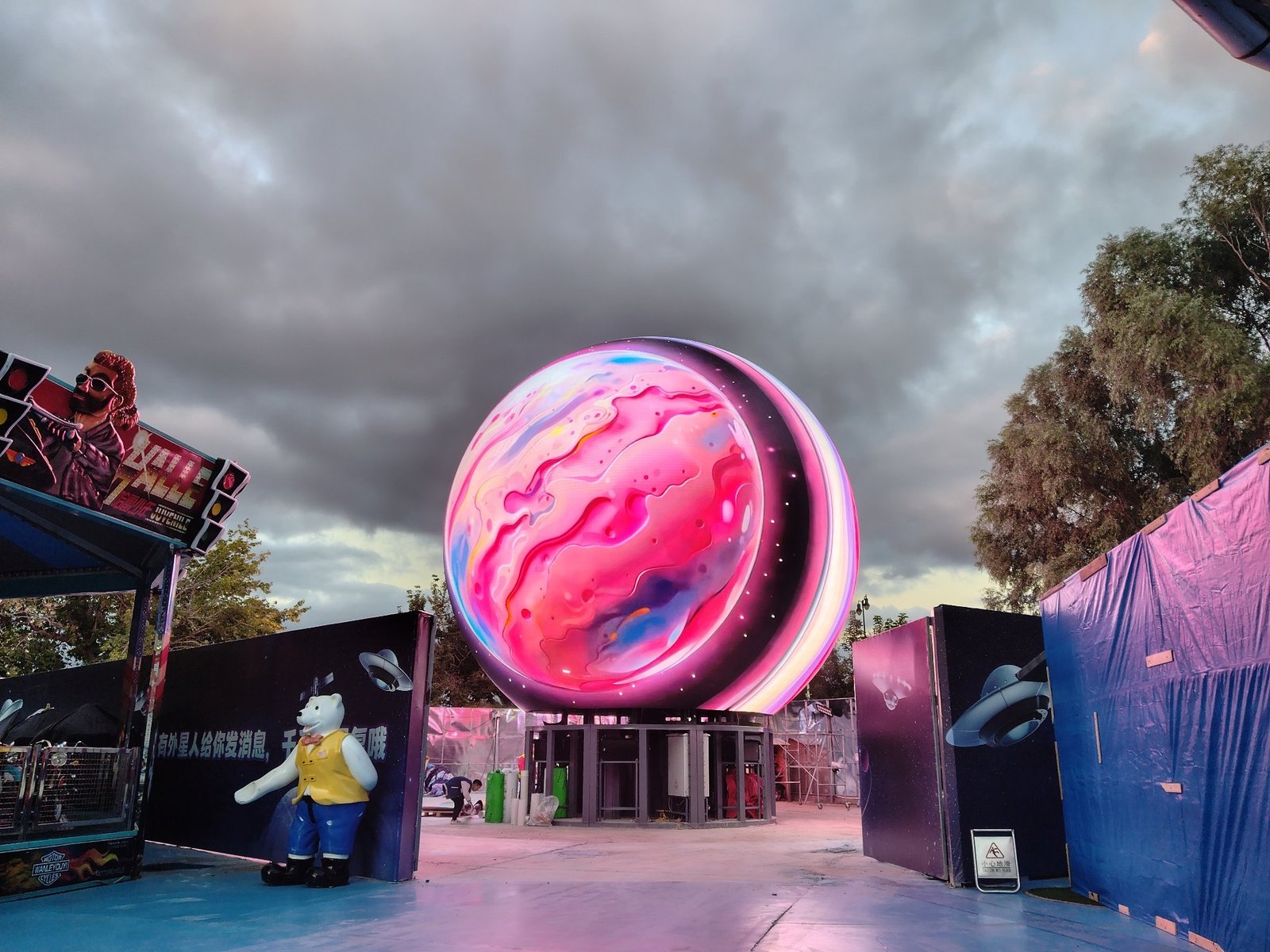
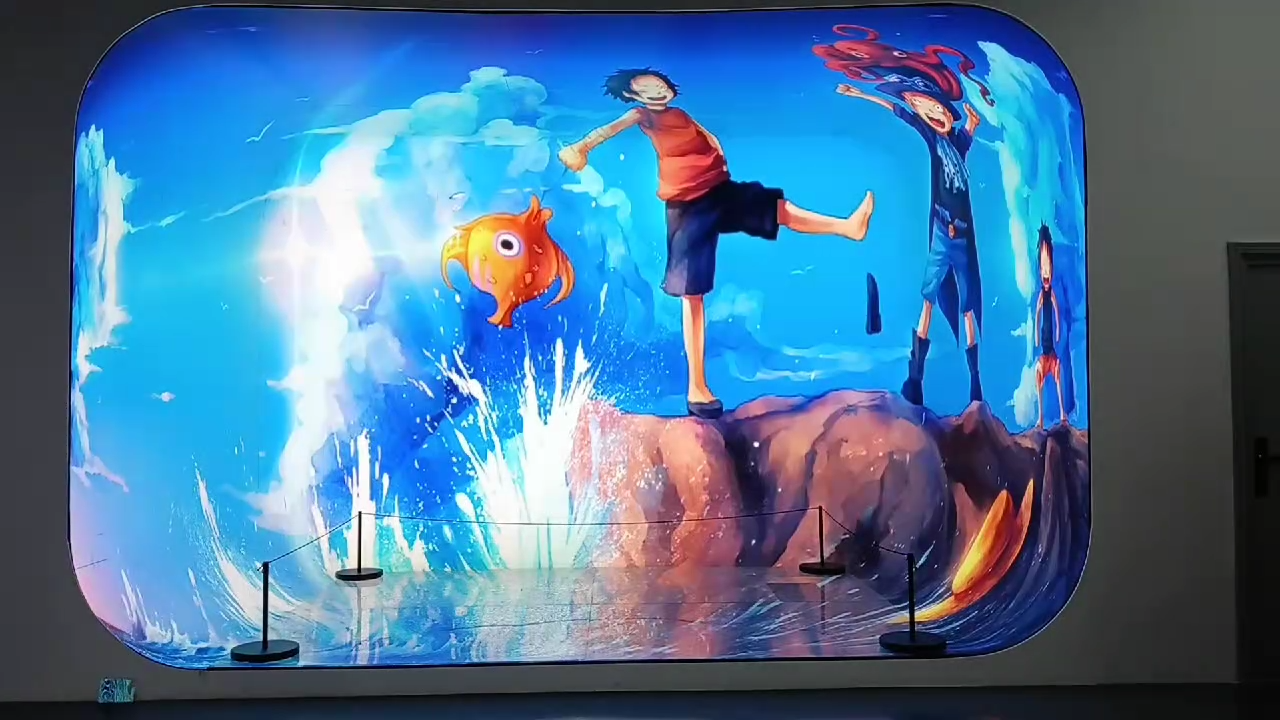
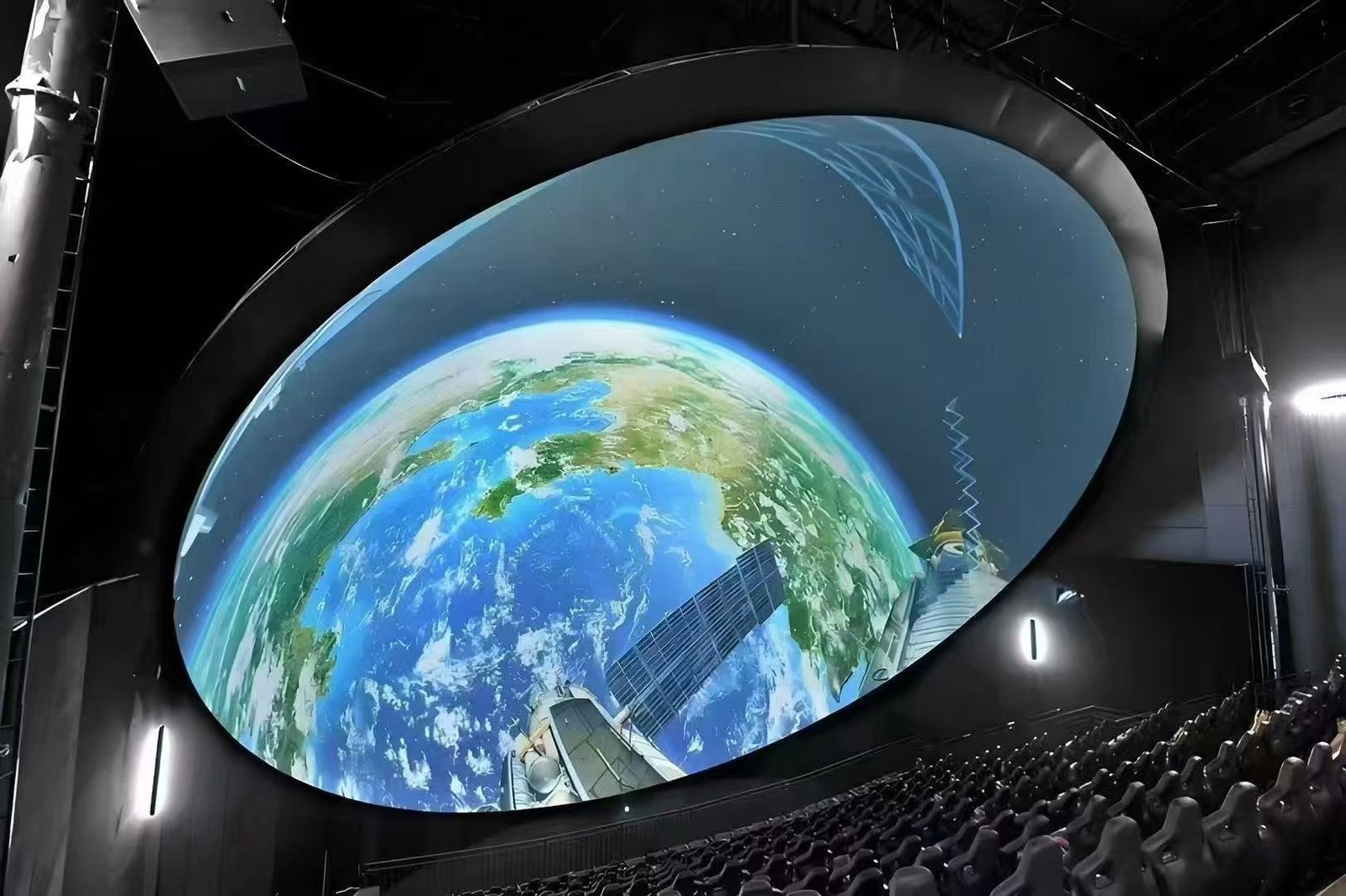
A spherical screen can present planetary imagery as a volume visitors move around. An inward-facing dome can surround an audience with a shared visual environment. A custom sculptural surface can turn a digital character into a recognizable presence within the gallery.
Each form creates a different relationship between the visitor, the content and the space. Selecting that form early allows the exhibition team to develop sightlines, circulation and visual storytelling together.
ZORQ’s custom-shaped LED displays provide a starting point for this process. Geometry is developed around the narrative and the site, with structural feasibility and manufacturing requirements considered before fabrication.
Where a concept includes mechanical movement, the moving structure, display sections and content sequence need to be coordinated from the design stage. Motion then has a defined role in the experience, supported by an engineering plan.
Keep the Image Connected
Immersion depends on what happens across the whole display surface.
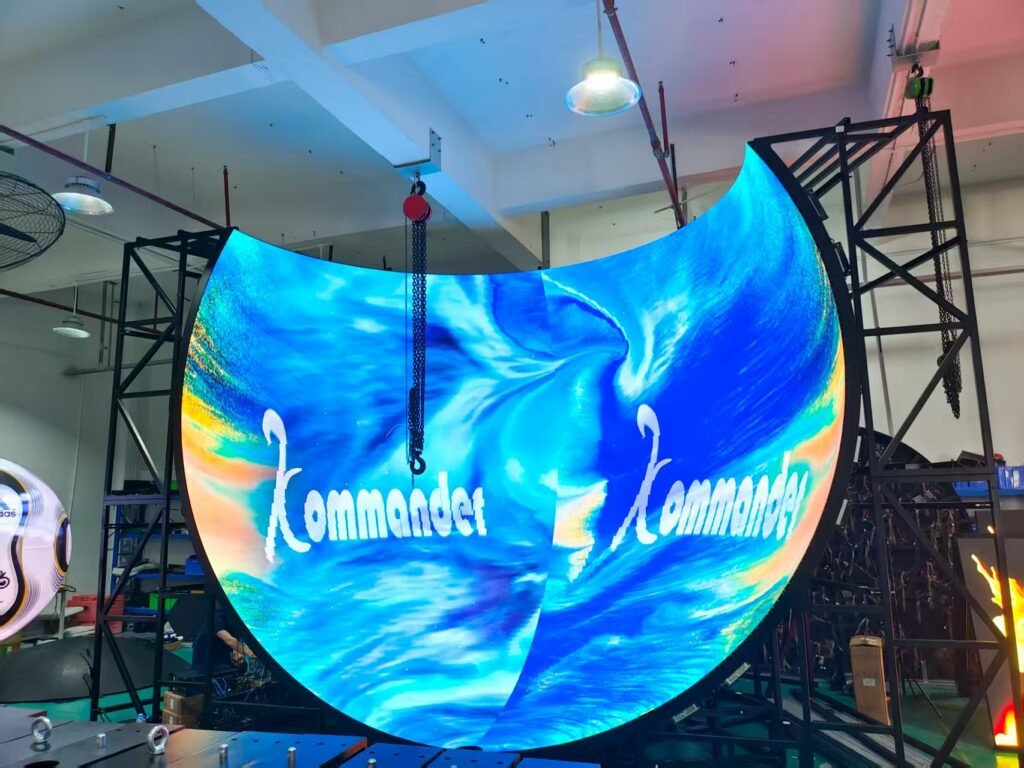
On a curved or irregular screen, cabinet alignment, brightness consistency and color balance all contribute to how visitors perceive the image. Small differences can become distracting when a scene moves across a joint or a large area of uniform color fills the screen.
ZORQ combines structural planning with pixel-by-pixel brightness and color calibration to address these transitions. Factory assembly provides an opportunity to review the display in its intended form before delivery.
Content mapping must also respond to the geometry. A dome viewed from within requires a different approach from an outward-facing sphere viewed while walking around it. Principal viewing positions, screen curvature and content composition should therefore be considered together.
For spherical LED displays, the relationship between the image and the surface is especially important. Preparing content for the actual geometry helps preserve the intended proportions and visual emphasis.
Plan Maintenance Before Opening Day
A museum display needs to remain serviceable after the exhibition opens.
Maintenance access should be established alongside the visible design. Where suitable, front-service modules allow technicians to reach individual components without dismantling large sections of the installation.
Module-level fault diagnosis helps identify the area requiring attention. Access routes, replacement procedures and spare-module planning can then be organized around the venue’s closing hours.
The time required for a repair depends on the fault, installation height and access conditions. Planning these details early helps the operator schedule maintenance and reduce disruption to the visitor experience.
ZORQ’s custom LED display manufacturing capabilities connect these operational considerations with cabinet design, assembly and factory testing. Serviceability becomes part of the installation from the beginning.
Display Forms for Different Exhibition Experiences
Spherical LED Displays
Present planetary, scientific or artistic imagery on a three-dimensional surface, with diameter and positioning developed around visitor sightlines.
Dome & Concave LED Displays
Create inward-facing visual environments for shared viewing, immersive films and themed exhibition experiences.
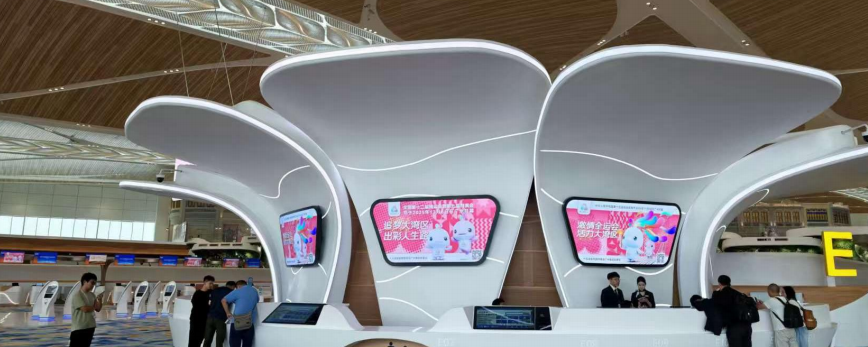
Circular LED Displays
Introduce focused visual elements within an exhibition, with content and placement coordinated around the visitor journey.
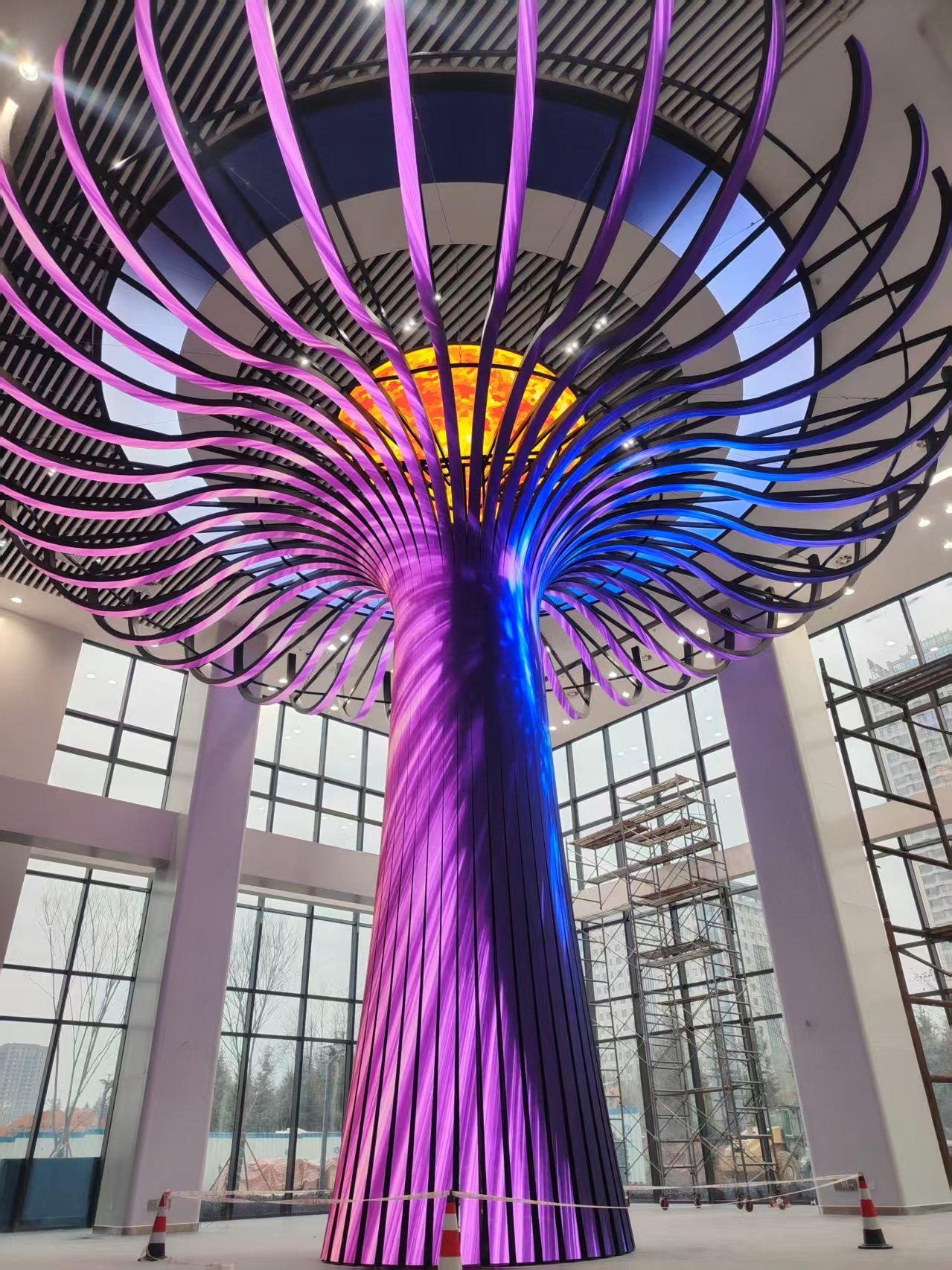
Sculptural & Free-Form LED Displays
Translate a character, object or narrative theme into a bespoke display surface, supported by geometry-specific engineering and content planning.
From Exhibition Concept to Daily Operation
A successful installation connects curatorial intent with engineering and long-term use:
Preliminary Scheme Review → Structural Design Proposal → Sample Section Approval → Production → Installation & Commissioning → Operation & Maintenance Support
The process begins with the exhibition concept, venue drawings, proposed content and expected viewing positions. These inputs help establish the display form, surface geometry and maintenance approach.
Sample-section approval and factory checks provide opportunities to review critical details before full installation. On-site commissioning then brings the display into the finished exhibition environment.
Give Your Exhibition a New Dimension
Share your exhibition theme, spatial drawings and visual concept. ZORQ can help assess the display geometry, engineering requirements and maintenance access for your museum or exhibition project.